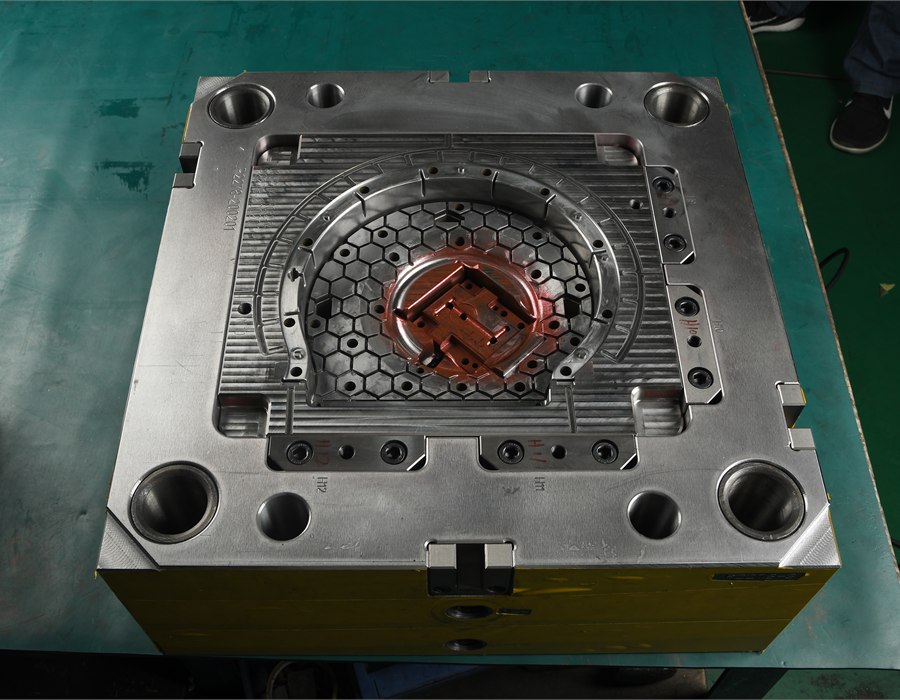
Main factors that affect mold cost
Part size and complexity usually come first. A simple open-and-shut mold is easier to build than a part with undercuts, sliders, lifters, inserts, deep ribs or tight cosmetic surfaces. Cavity count also changes cost because more cavities require more machining, balancing and validation.
Steel, lifetime and production volume
A low-volume trial mold and a long-term production mold should not be priced the same way. Higher expected volume may require better steel, stronger inserts, spare parts and a maintenance plan. Paying slightly more for a stable mold can be cheaper than repeated correction during mass production.
Why drawings make the quote more accurate
3D files, 2D critical dimensions, material, annual volume and finish requirements help the mold maker evaluate parting line, gate, cooling, venting and ejection risk. Without these details, any price is only a rough estimate.
How Huanze evaluates a mold quote
Huanze reviews DFM, mold structure, machining route, T1 trial plan and molding risk together. For plastic housings, drone shells, medical device housings and connector parts, we also review appearance surfaces and assembly gaps before quoting.