Project summary
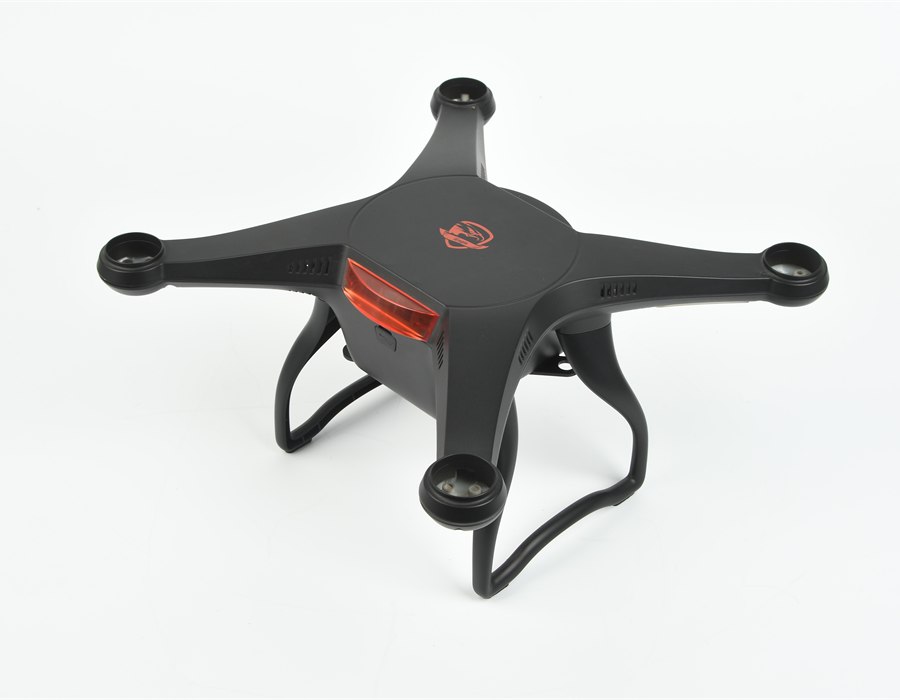
The project involved an injection molded drone shell with thin walls, internal ribs and visible exterior surfaces. The customer needed mold tooling that could protect lightweight design while reducing deformation and assembly risk.
Manufacturing challenge
Lightweight shell designs often use thin walls and ribs. If rib thickness, gate location or cooling balance is not handled well, the part can deform after ejection. Cosmetic surfaces also make gate marks, weld lines and parting lines more sensitive.
Huanze solution
We reviewed wall thickness, ribs, snap features and screw bosses before tooling. The mold plan focused on balanced filling, reasonable parting line placement, venting and ejection stability. Trial samples were checked for weight, deformation, assembly fit and surface quality.
Project value
The approach helped reduce tooling rework risk and gave the customer a clearer path from drone prototype housing to injection molded production. Related pages: drone shell product page and plastic housing design guide.