1. Define cosmetic standards before tooling
Buyers should mark A/B/C surfaces, color requirements, texture, gloss level, printing or painting areas and acceptable defect limits before mold design. Clear standards help the mold maker decide gate location, parting line and ejection layout.
2. Watch the defects customers notice first
Common cosmetic issues include sink marks, weld lines, flow marks, burn marks, scratches, color difference, silver streaks, flash, parting line mismatch and ejector pin marks. Each issue may come from product design, mold design, material or process settings.
3. Mold design affects surface quality
Gate position, venting, cooling, polishing direction, texture preparation, slider fit and ejection balance all affect the final surface. Cosmetic plastic housings need DFM review before steel is cut, not only process tuning after samples are molded.
4. Stable process windows reduce batch variation
Injection speed, packing pressure, melt temperature, mold temperature, cooling time and drying conditions should be recorded and controlled. Stable settings make color, dimension and appearance easier to repeat across batches.
5. Inspection should combine appearance and assembly
Huanze checks dimensions, surface appearance, assembly gaps, screw boss fit, snap-fit function and packaging condition. For export projects, inspection records help overseas buyers approve samples and reduce shipment disputes.
6. Work with Huanze on cosmetic plastic housings
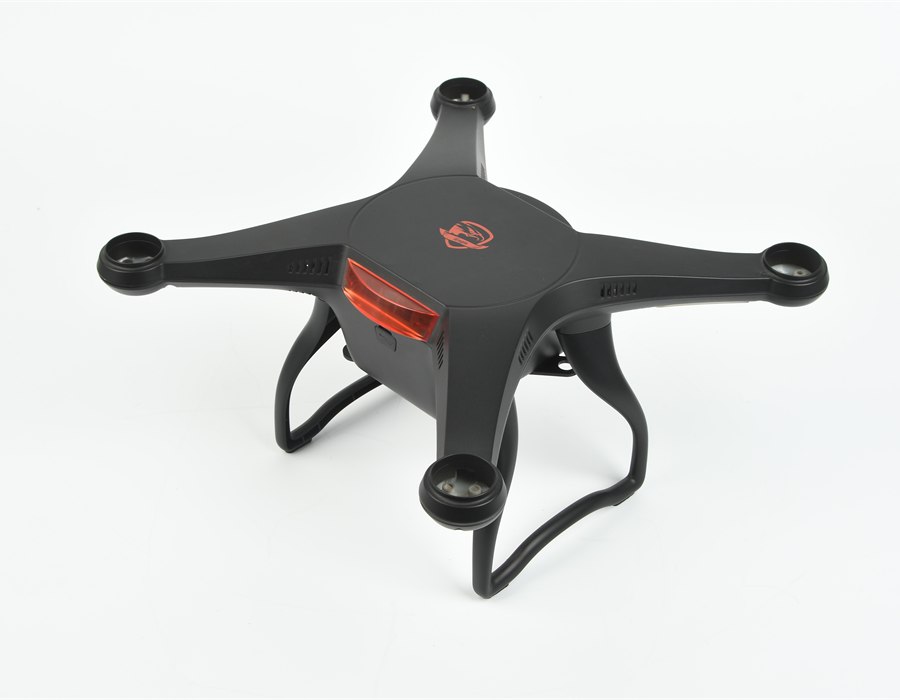
For drone shells, medical device housings, appliance housings, robot charger housings and equipment enclosures, contact Annie by WhatsApp / WeChat / Phone +86 15801883001 or email annie@huanzekeji.com.
Send Housing Drawings