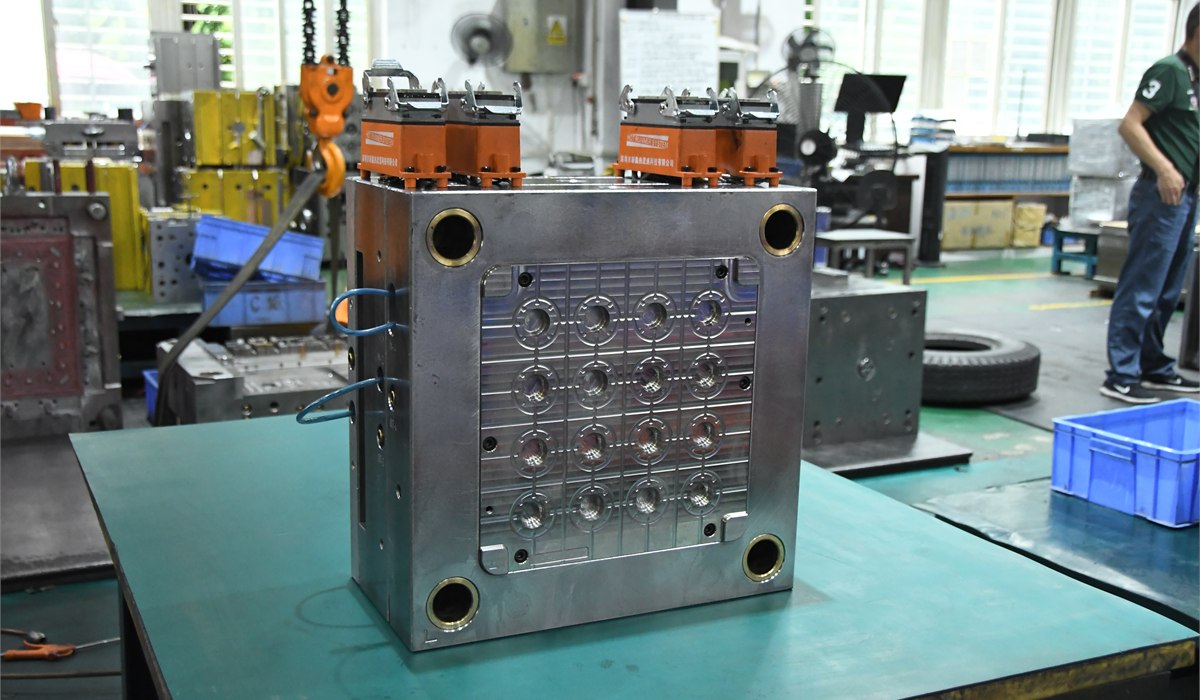
1. How hot runners and cold runners differ
A cold runner cools and ejects with the molded part, so each cycle creates a runner that must be separated, recycled or discarded. A hot runner keeps material molten inside a heated manifold and nozzle system, delivering resin closer to each cavity. Hot tips, valve gates and hybrid layouts provide different control levels. The selection affects mold construction, process setup, maintenance and the visible gate on the finished part.
2. Calculate resin and cycle savings against tooling cost
Hot runners increase initial mold cost and require controllers, heaters, thermocouples and specialist components. They can reduce runner scrap, shorten handling and support multi-cavity production. Cold runners are simpler and cheaper to service, but runner weight can be significant compared with small precision parts. Build a cost model using annual volume, runner weight, resin price, allowable regrind, cycle time, labor and expected program life.
3. Gate appearance and material behavior change the answer
Cosmetic housings may benefit from a small, controlled gate, but hot-runner heat history can be a concern for sensitive resins, flame-retardant grades or frequent stoppages. Clear, filled or color-critical materials need specific review. The DFM should identify gate position, vestige, weld-line risk, pressure loss, shear, cavity balance and whether the chosen gate can be maintained without damaging a visible surface.
4. Plan maintenance, spares and color changes before approval
Ask which hot-runner brand and controller are proposed, whether replacement heaters and thermocouples are locally available, and how leaks or blocked gates will be serviced. Document wiring, zone maps, resistance values and spare-part numbers. For frequent color changes, evaluate purge time and residual color. A cold-runner mold may be the more resilient option when service access or production flexibility matters more than maximum material efficiency.
5. Data needed for a runner-system decision
Share resin manufacturer and grade, additives, recycled-content rules, annual volume, cavity count, shot weight, expected color changes, visible surfaces, gate restrictions, cycle target and production location. Request a written runner recommendation with assumptions and tradeoffs. The mold design approval should freeze the gate type, runner supplier, controller standard, spare parts and acceptance tests.
6. Review the runner system with Huanze
Huanze Technology reviews gate and runner options during DFM for plastic housings, precision parts, connector components and custom molded products. Contact Annie by WhatsApp, WeChat or phone at +86 15801883001, or email annie@huanzekeji.com with drawings, resin and annual volume.