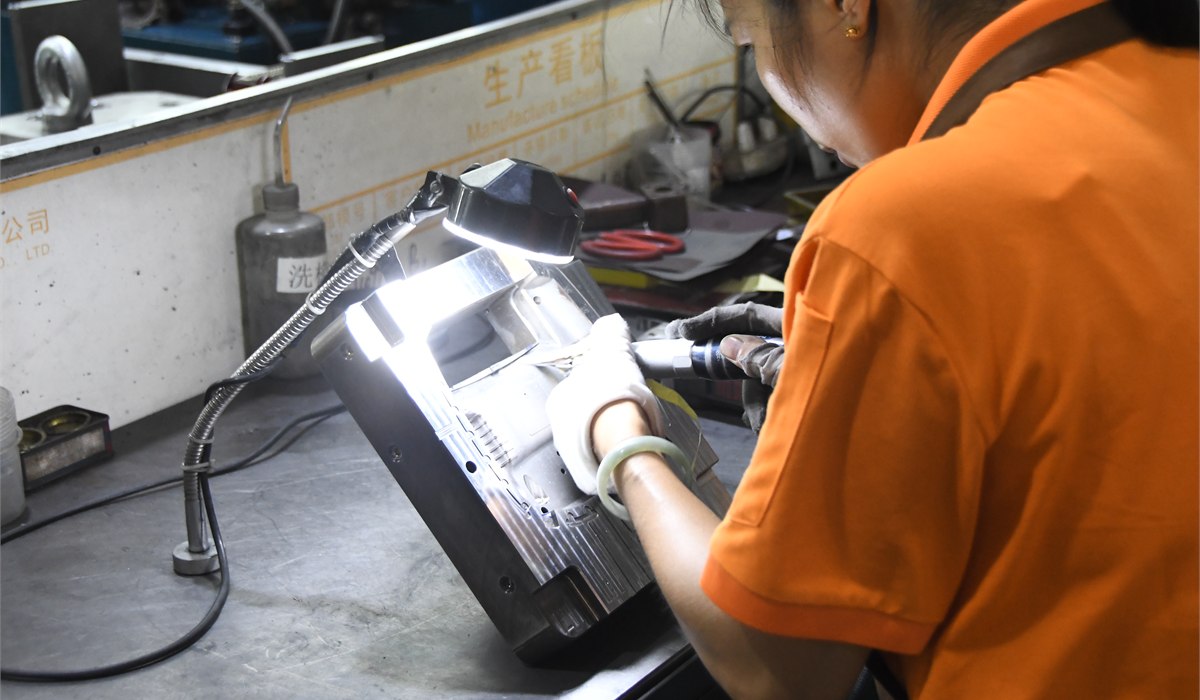
1. Close molded-part approval before shipment
Confirm the latest drawing revision, resin, color, appearance standard, critical dimensions and assembly results. Review T1/T2 or final trial samples by cavity, together with first-article reports and an approved golden sample. Open deviations should show ownership, correction status and written concession. A part that looks acceptable in a photo is not a complete mold acceptance record.
2. Inspect mold condition and production performance
Check core and cavity surfaces, parting line, slides, lifters, ejectors, wear plates, cooling circuits, hydraulic components and safety features. Record trial machine, cycle time, shot weight and stable process settings. Verify water flow, leakage, ejection and automatic operation over an agreed run length. Mark lifting points, mold weight, clamp slots and connection standards for the receiving factory.
3. Freeze the technical handover package
The package should include final 2D and 3D mold drawings, bill of materials, steel grades, standard-component suppliers, hot-runner manuals, electrical and cooling diagrams, trial parameters, inspection reports, material certificates where agreed, maintenance guidance and revision history. File names and revisions should match the physical mold. Keep an agreed backup location for future service.
4. Count and label spare and wear components
Confirm the contract list for spare ejector pins, springs, heaters, thermocouples, seals, gate inserts, date stamps, limit switches or other project-specific parts. Label each item with drawing number and quantity. For high-wear or long-lead components, consider spare inserts rather than only raw material. Photograph the spares before sealing the case.
5. Protect the mold for international transport
Clean and dry the mold, remove water from cooling circuits, apply suitable rust protection, cap open connectors and secure moving mechanisms. Use mold locks or straps and a moisture-protected export case designed for the tool weight. The packing list should identify mold, accessories, documents and spares. Confirm Incoterms, customs data, insurance and the party responsible for unloading and installation.
6. Build acceptance into the Huanze project plan
Huanze Technology supports final mold trials, sample inspection, mold documentation, spare-parts preparation and export handover for overseas injection mold projects. Contact Annie by WhatsApp, WeChat or phone at +86 15801883001, or email annie@huanzekeji.com to define acceptance before tooling starts.