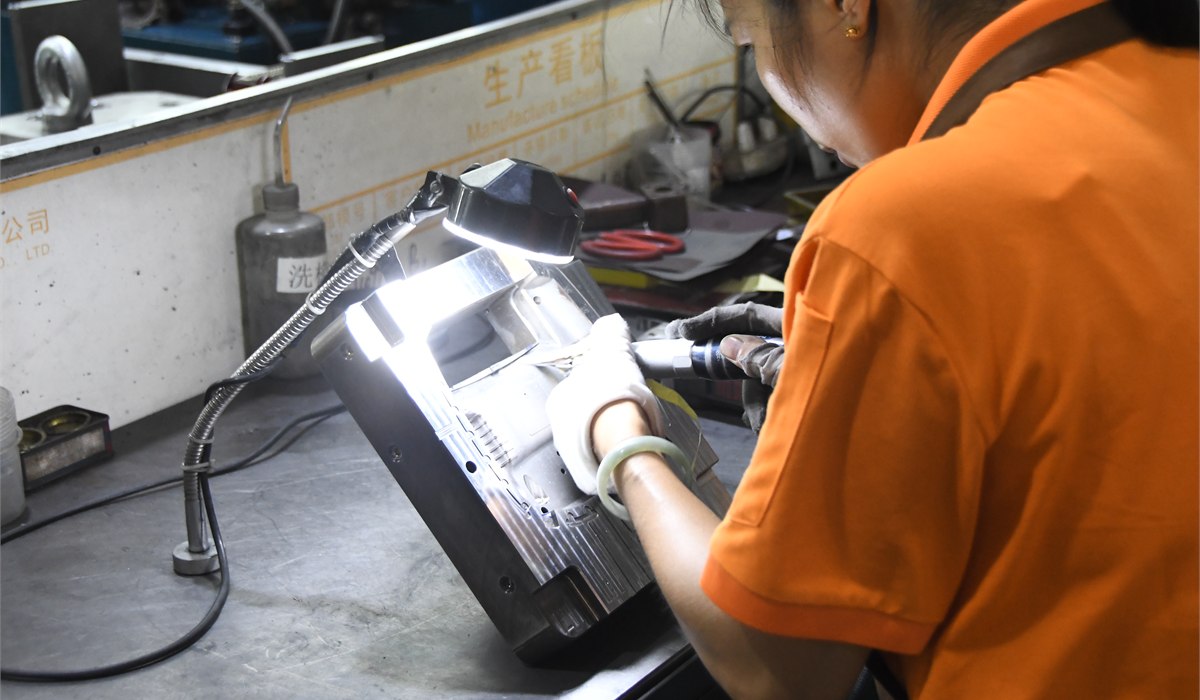
1. Confirm ownership and permitted use in writing
The order or tooling agreement should identify the mold, its product revision and the owner. It should also define where the tool can be used, what happens after production ends and how buyer-owned drawings and product data are protected.
2. Keep the records needed to run the mold again
Useful records include mold number, cavity count, steel information, runner system, material and machine settings used at approval, maintenance log, trial samples and inspection reports. These records make future troubleshooting or relocation more manageable.
3. Identify wear parts and spare inserts early
Ask which components are likely to wear with the selected resin and output level. Critical inserts, ejector elements, seals and other service parts may need to be listed before mass production. A spare-parts plan is more useful when it is connected to expected volume and maintenance intervals.
4. Package a mold transfer-ready handover
Before a tool moves to another factory or country, check mold condition, corrosion protection, cooling water removal, shipping crate, lifting points, spare parts, drawings and sample records. Confirm the new factory has appropriate machine tonnage, utilities and process capability before shipment.
5. Discuss mold asset control with Huanze
Huanze supports documented mold trials, inspection records, maintenance planning and export preparation for China injection mold projects. Contact Annie by WhatsApp, WeChat or phone at +86 15801883001, or email annie@huanzekeji.com.
Send Drawings for Evaluation