1. Lock the correct drawing revision
Provide one controlled 3D file and 2D drawing revision, then identify critical dimensions and interfaces. When there are multiple related parts, use a clear assembly reference. This avoids a supplier designing the mold from an older file while the buyer is reviewing a newer model.
2. Confirm material, appearance and assembly requirements
Before design freeze, define resin grade, color, texture, gloss, visible A-surfaces, logo or marking, flame-retardant needs, assembly gaps and functional requirements. For plastic housings, mark where gate vestige, parting line or ejector marks are not acceptable.
3. Record the tooling decisions that affect cost and lead time
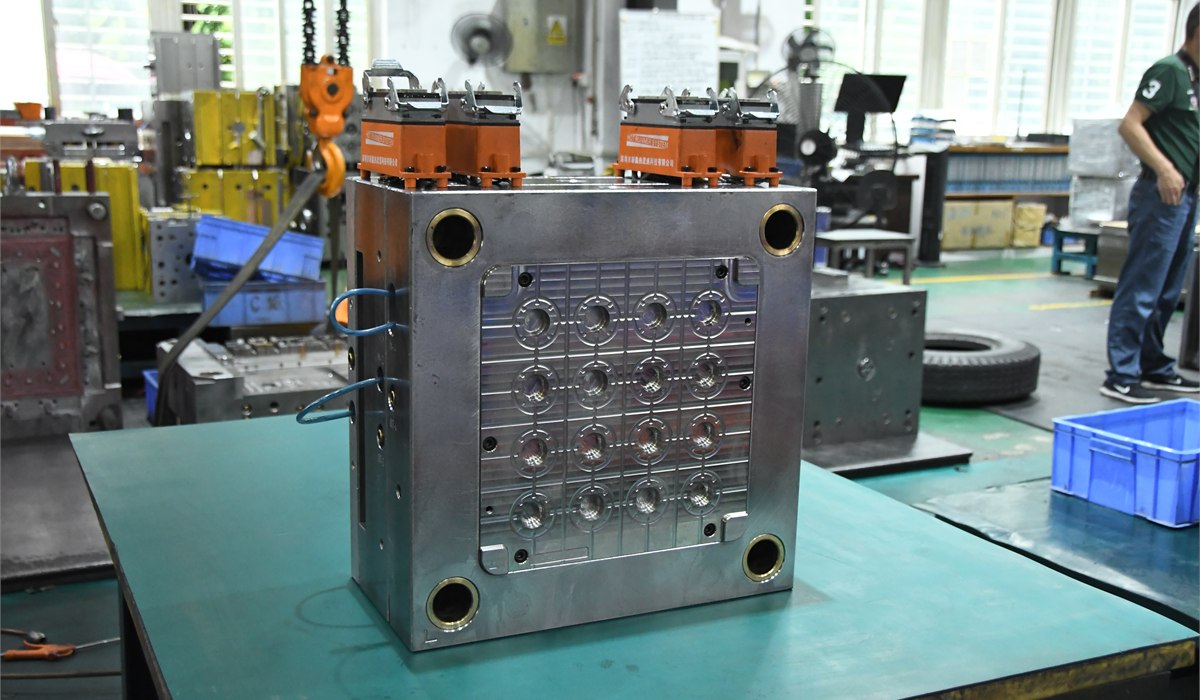
DFM approval should cover parting line, gate position, sliders, lifters, inserts, runner system, cavity count, cooling, ejection and any special inspection fixtures. These details determine whether a later request is a small adjustment or a costly engineering change.
4. Set a clear approval and change-control rule
Name the buyer contact who can release DFM and mold design. After steel machining starts, record each change with its impact on cost, schedule and samples. This is especially important for overseas teams working across time zones.
5. Request a design-freeze review from Huanze
Huanze Technology reviews DFM, molding risk and tooling readiness for plastic housings, precision plastic parts, connector components, medical device housings and OEM molded products. Contact Annie by WhatsApp, WeChat or phone at +86 15801883001, or email annie@huanzekeji.com.
Send Drawings for Evaluation