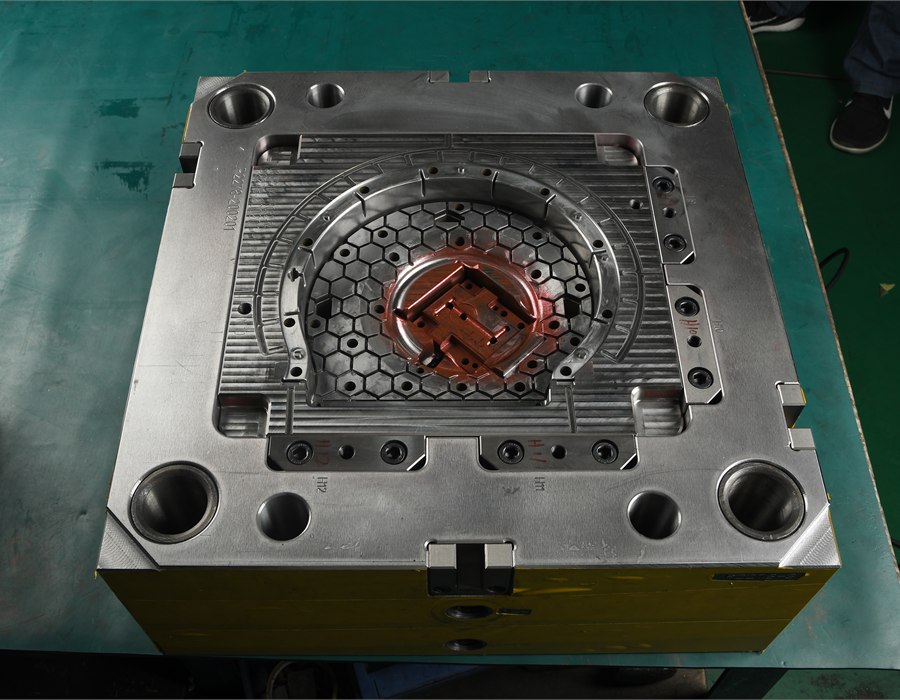
1. Clear RFQ files reduce quotation uncertainty
Incomplete files force suppliers to add safety margins. A complete RFQ should include STEP, X_T, IGS or 2D drawings, material grade, annual volume, visible surface notes, tolerance requirements, texture or painting needs and target delivery date.
2. DFM can remove cost before steel cutting
Small changes to wall thickness, ribs, bosses, undercuts, draft and parting line can reduce sliders, lifters, EDM time and polishing hours. These DFM changes are usually cheaper than mold correction after T1 samples.
3. Choose mold steel based on real production life
Not every project needs the same steel. Prototype or low-volume molds may use different steel from long-term abrasive material production. The goal is to match steel, heat treatment and surface finish to the actual production plan.
4. Decide cavity count with piece price and forecast together
More cavities can reduce molded part price, but they also increase mold cost, trial complexity and maintenance needs. Huanze reviews annual demand, launch risk, machine tonnage and quality control before recommending cavity count.
5. Do not over-specify surface finish
High gloss, texture, painting, printing and cosmetic A-surfaces can change tooling cost. Marking only the real visible surfaces helps protect appearance while avoiding unnecessary polishing or texture requirements on hidden areas.
6. Cost reduction should not remove validation
Do not save cost by skipping DFM, mold design review, T1 trial records, dimensional inspection or sample approval. These steps protect overseas buyers from late corrections, unstable production and shipment disputes.
For a practical cost review, contact Annie by WhatsApp / WeChat / Phone +86 15801883001 or email annie@huanzekeji.com.
Send Drawings for Cost Review