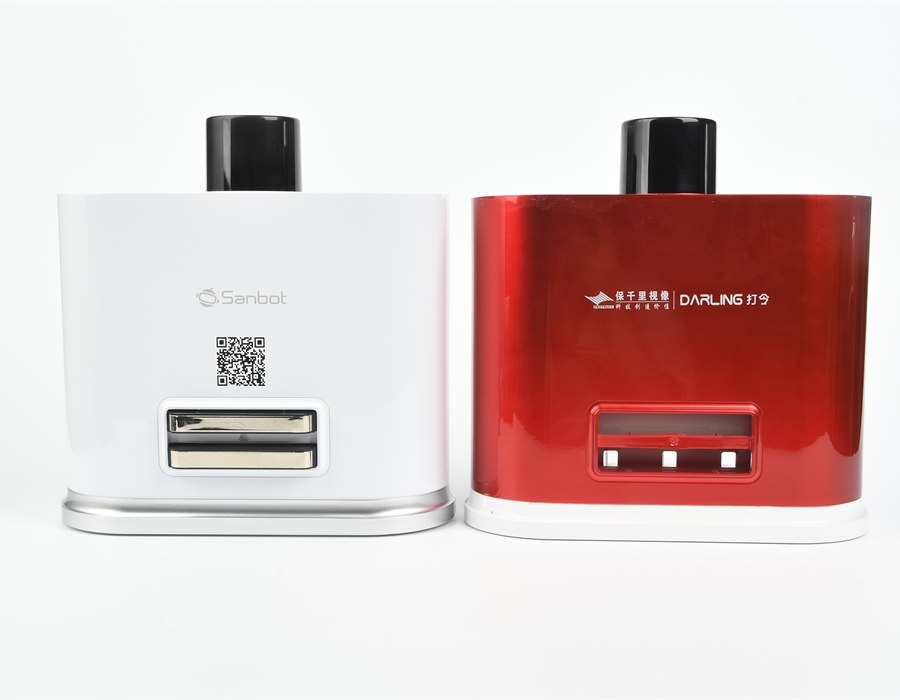
1. Assembly fit is the first sourcing concern
Charger housings often connect with cables, connectors, internal electronics, screws and covers. Critical dimensions around ports, bosses and mating edges should be defined before mold design approval.
2. Material and wall design affect durability
Charging equipment housings may need impact strength, heat resistance, surface toughness and dimensional stability. Material choice and wall thickness should be reviewed together so the housing is not too weak, too heavy or too prone to sink marks.
3. Mold design should control warpage and visible marks
Gate location, cooling and ejection can affect flatness, surface marks and port alignment. Huanze reviews DFM items such as ribs, bosses, draft angle, parting line and venting before mold machining.
4. Quality checks should match charger function
Inspection should include appearance, key dimensions, assembly test, cable opening fit, screw tightening and package review. For overseas buyers, clear inspection records reduce communication risk.
5. Stable production matters after sample approval
A good sample is only the starting point. Pilot production and batch inspection confirm whether the same process can repeat without new deformation, flash, color difference or assembly problems.
6. What to send for robot charger housing injection molding
Send STEP, X_T or IGS files, 2D drawings, assembly references, material, color, surface finish, annual volume and target schedule. Contact Annie at WhatsApp / WeChat / Phone +86 15801883001 or email annie@huanzekeji.com.
Send Charger Housing Drawings