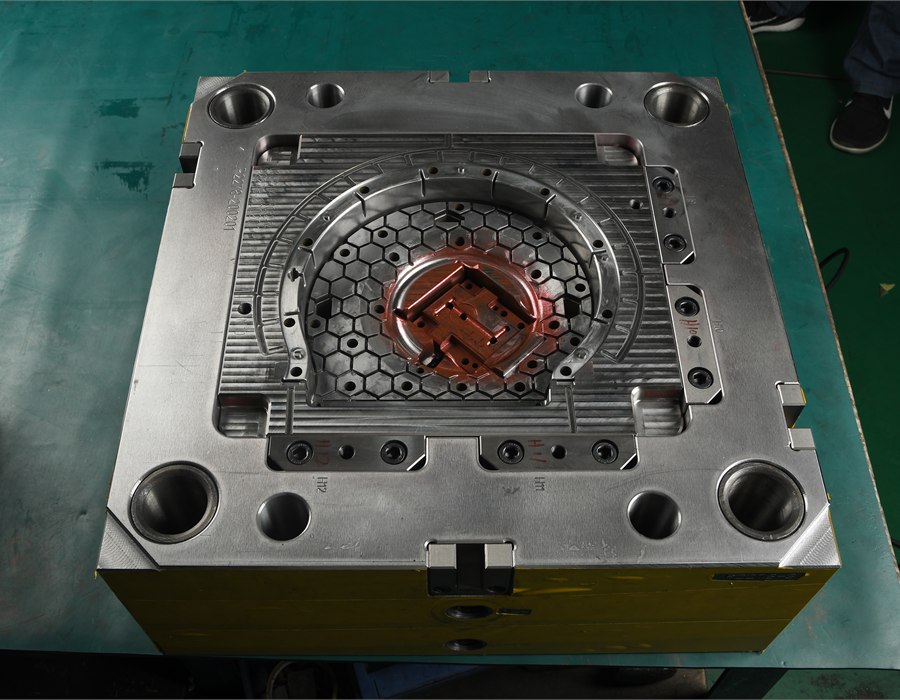
1. What changes when cavity count increases?
A single-cavity mold produces one part per machine cycle. A two-, four- or eight-cavity mold multiplies output per cycle, but also requires a larger mold base, more steel, more inserts, a balanced runner or hot-runner system, greater shot capacity and more detailed validation. Family molds produce different parts in one cycle and add a separate balancing challenge. Buyers should therefore compare complete production systems, not cavity count in isolation.
2. Start with validated annual and peak demand
Use annual demand, peak monthly demand, working days, shifts, planned efficiency and expected scrap to calculate required output. Then compare that requirement with realistic cycle time and machine availability. If demand is still uncertain, a single-cavity or lower-cavity tool may reduce launch risk. If demand is stable and delivery windows are tight, a multi-cavity mold can lower machine hours and create more capacity. Program life matters as much as first-year volume.
3. Compare total landed cost, not only mold price
A multi-cavity mold normally costs more to design, machine, sample and maintain, but it can reduce molding cost per part. The comparison should include mold price, hot-runner cost where applicable, machine tonnage, cycle time, resin and runner waste, labor, inspection, preventive maintenance, spare inserts, freight and the financial effect of downtime. Ask suppliers to show assumptions so two quotations can be compared on the same basis.
4. Cavity balance and quality records are critical
Every cavity should fill, pack, cool and eject consistently. During T1 and pilot production, identify samples by cavity and compare weight, critical dimensions, appearance, flash, short shots and assembly performance. A combined report can hide cavity-to-cavity variation. For precision connector parts and cosmetic housings, define cavity-specific inspection records and an approved golden sample before mass production.
5. Information needed for a cavity-count proposal
Provide STEP, X_T or IGS files, 2D drawings, resin grade, annual and peak demand, target launch date, expected program life, cosmetic surfaces, critical tolerances, assembly requirements and any machine restrictions. State whether the priority is low initial investment, lowest unit cost, short lead time or supply resilience. This lets the mold supplier compare one-cavity, multi-cavity and phased tooling options clearly.
6. Ask Huanze to review capacity before steel is cut
Huanze Technology supports DFM, cavity-count evaluation, mold design, T1/T2 trials, cavity-specific inspection and custom injection molding for overseas OEM projects. Send drawings and demand data to Annie by WhatsApp, WeChat or phone at +86 15801883001, or email annie@huanzekeji.com.