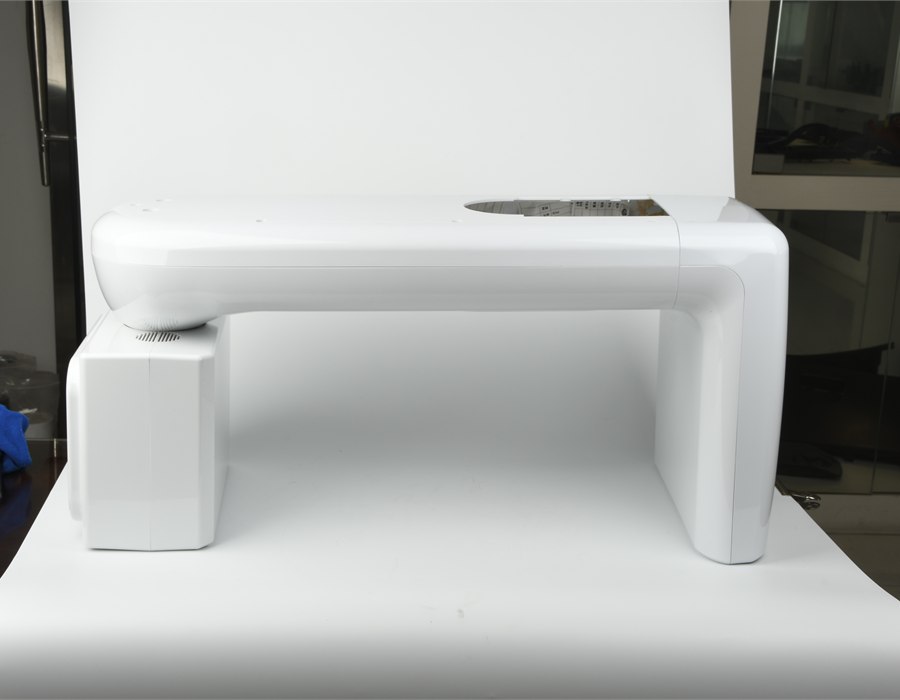
Surface finish affects mold design decisions
Visible surfaces influence parting line position, gate location, ejector layout, draft angle and polishing direction. If a gate mark, ejector mark or parting line appears on a customer-facing surface, the part may be rejected even if it functions correctly.
For medical device housings, drone shells, controller housings and appliance covers, Huanze reviews cosmetic surfaces together with mold structure before tooling. This helps avoid placing unavoidable mold marks in the wrong area.
Texture, gloss and polishing need enough draft
Texture can improve grip, hide minor flow marks and create a premium appearance, but it usually requires enough draft for release. Deep texture on a vertical wall with insufficient draft may create drag marks or ejection difficulty. High-gloss surfaces need careful polishing and are more sensitive to sink marks, weld lines and scratches.
The selected resin also matters. ABS, PC, PC/ABS, PP and glass-filled materials respond differently to texture, gloss and paint. A finish that works on one material may not look the same on another.
Painting, silk printing and laser marking should be planned early
Secondary processes can change the design rules. Painting may need masking areas, color control and surface cleanliness. Silk printing needs flat or controlled surfaces. Laser marking needs compatible material and enough contrast. Assembly after finishing can also scratch the cosmetic surface if fixtures and packaging are not planned.
If the product needs painting, printing, laser marking or assembly, buyers should show the exact area on the drawing or reference image before the mold is finalized.
Common cosmetic defects to discuss before tooling
Surface finish is closely connected with injection molding defects. Sink marks near ribs and bosses, weld lines around holes, flow marks, silver streaks, gate blush, scratches, burrs and color variation can all affect appearance. Some defects are caused by design; others come from material, mold venting, gate position or process control.
What buyers should send for surface finish review
Useful inputs include color standard, texture code, gloss requirement, painting or printing drawings, sample photos, acceptable gate mark location, cosmetic inspection criteria and packaging requirements. If the product must match an existing housing, physical samples or high-quality photos are helpful.
Related pages: plastic housing and enclosure molding, medical scanner housing product case and reducing sink marks in plastic housings.