1. Check whether the supplier reviews risk before quoting
A useful supplier does more than return a price. They should identify wall thickness risk, undercuts, draft, gate location, visible surfaces, material shrinkage, tolerance challenges and possible mold actions before tooling starts.
2. Review mold design and machining control
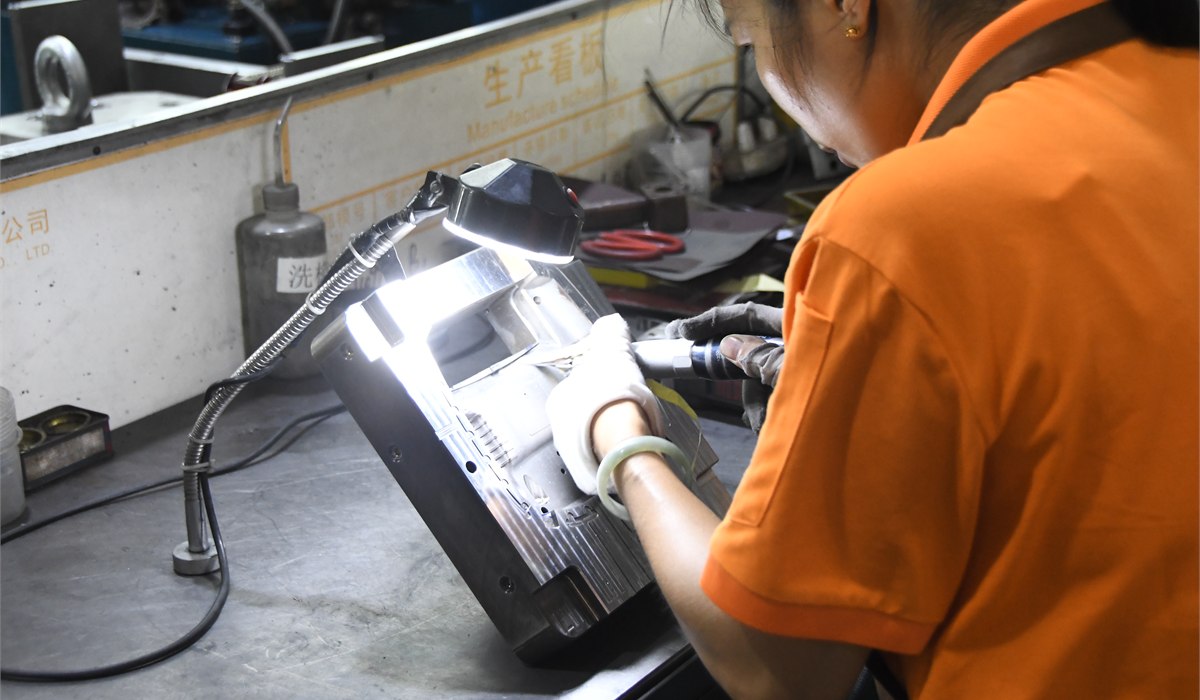
Ask how the supplier manages mold layout, steel selection, cooling, venting, EDM, CNC, polishing and mold assembly. For overseas projects, design approval documents and clear T1 correction records are more useful than general promises.
3. Confirm injection machine and material fit
The supplier should match mold size, clamping force, shot size, resin drying, color control and production volume. If the molding process is not stable, even a well-cut mold can create inconsistent parts.
4. Ask for inspection examples
Useful records include first article inspection, critical dimension reports, appearance criteria, assembly checks, sample labels and shipment approval notes. For cosmetic housings, agree on acceptable gate marks, parting lines and surface defects early.
5. Audit communication speed and export readiness
US and European buyers need clear English communication, drawing revision control, photo and video updates, packaging awareness and response discipline across time zones. A strong supplier reduces project uncertainty without hiding risks.
6. What to send for an audit-based RFQ
Send drawings, 3D files, material, annual volume, target market, assembly requirements, cosmetic standards and expected validation steps. Huanze can review the project and explain tooling risk before quotation.
Contact Annie by WhatsApp / WeChat / Phone +86 15801883001 or email annie@huanzekeji.com.
Send Supplier Audit RFQ