Lead time starts before steel is cut
A mold project should begin with DFM review and mold design confirmation. The engineering team reviews wall thickness, draft, ribs, bosses, parting line, gate position, ejection, cooling and possible undercuts. If these topics are not settled early, machining can start quickly but later corrections may take more time than the initial review.
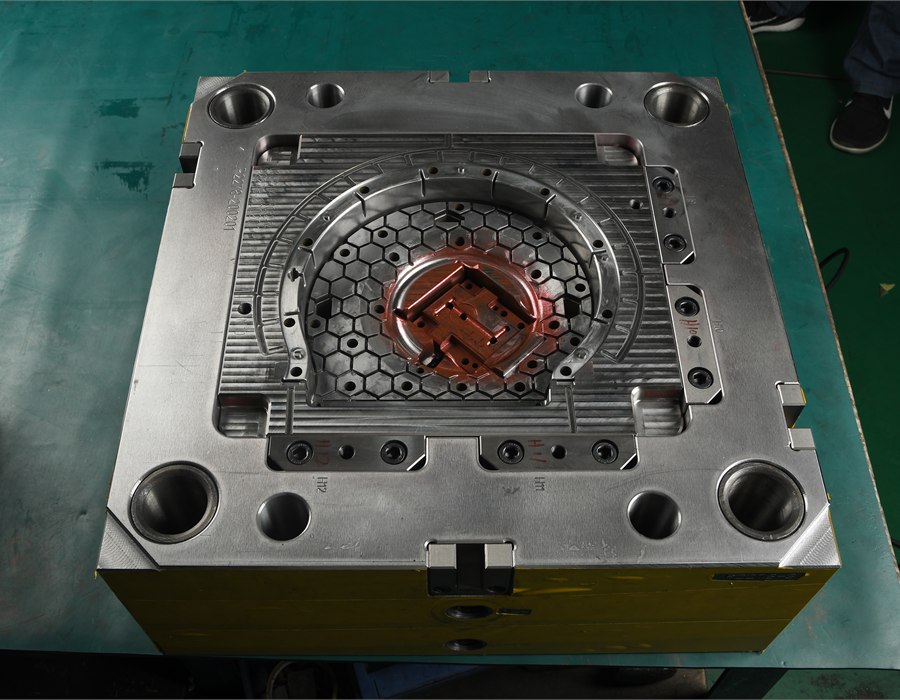
For custom injection mold tooling, a realistic plan also includes steel purchasing, electrode preparation, CNC machining, EDM, wire cutting, polishing, fitting and mold assembly. Each stage depends on the previous engineering decision being clear.
Part complexity changes the tooling schedule
Large plastic housings, cosmetic covers, thin-wall parts, connector components and parts with tight assembly gaps need different schedules. Sliders, lifters, inserts, hot runners, texture, mirror polish and multi-cavity tools can all add time. A simple open-and-shut mold is faster than a precision housing mold with cosmetic surfaces and multiple side actions.
Material also matters. Glass-filled materials, high-temperature resins and parts with strict appearance requirements may require more careful steel selection, venting, polishing and trial review.
Buyer input can speed up or slow down the project
The fastest projects usually have complete information at the start: 3D files, 2D drawings, material grade, color, texture, annual volume, critical dimensions, assembly parts and approval standard. If material, finish or assembly requirements change after mold design, the schedule may need to move backward.
T1 trial is part of the lead time, not the end of it
T1 trial produces the first real samples from the mold. These samples are checked for appearance, dimensions, assembly fit, material behavior and molding process window. Some projects pass with small parameter adjustments, while others need steel correction, polishing, venting changes, gate changes or fit adjustment.
Buyers should plan time for sample shipping, internal review, feedback and correction. If the project has strict tolerances or cosmetic surfaces, one round of correction is common and should be included in the schedule conversation.
How to plan a practical tooling schedule
A good schedule separates design approval, machining, T1 trial, correction, pilot production and mass production approval. This avoids the common mistake of treating the T1 date as the final delivery date. For production parts, the real goal is a mold and process that can support repeatable batch quality.
Related pages: plastic injection mold manufacturing, injection mold trial process and send drawings for evaluation.