1. Start with a complete RFQ package
Many tooling problems begin before the mold order is placed. If a buyer sends only a photo or a rough drawing, the supplier must make assumptions about material, shrinkage, tolerance, surface finish, assembly fit and production quantity. Those assumptions can become cost changes or mold corrections later.
A stronger RFQ package includes 3D files, 2D drawings, material or performance requirements, annual volume, visible surface notes, color, texture, assembly information and target schedule. If the part is still changing, mark the design revision clearly so the mold supplier knows what is fixed and what still needs engineering review.
2. Use DFM review to find risk before steel cutting
A practical DFM review should look at wall thickness, ribs, bosses, draft angle, undercuts, gate position, parting line, ejector marks, cooling, venting, sink marks, weld lines and warpage risk. For cosmetic plastic housings, DFM should also protect the visible surfaces and explain how gate marks and parting lines will be managed.
DFM is especially important for overseas projects because the buyer cannot walk into the workshop every day. Good suppliers use marked screenshots, short written comments and clear options. If the answer is only "no problem", the buyer has not received enough information to judge tooling risk.
Related guide: DFM checklist for plastic injection mold projects.
3. Confirm mold design decisions that affect production
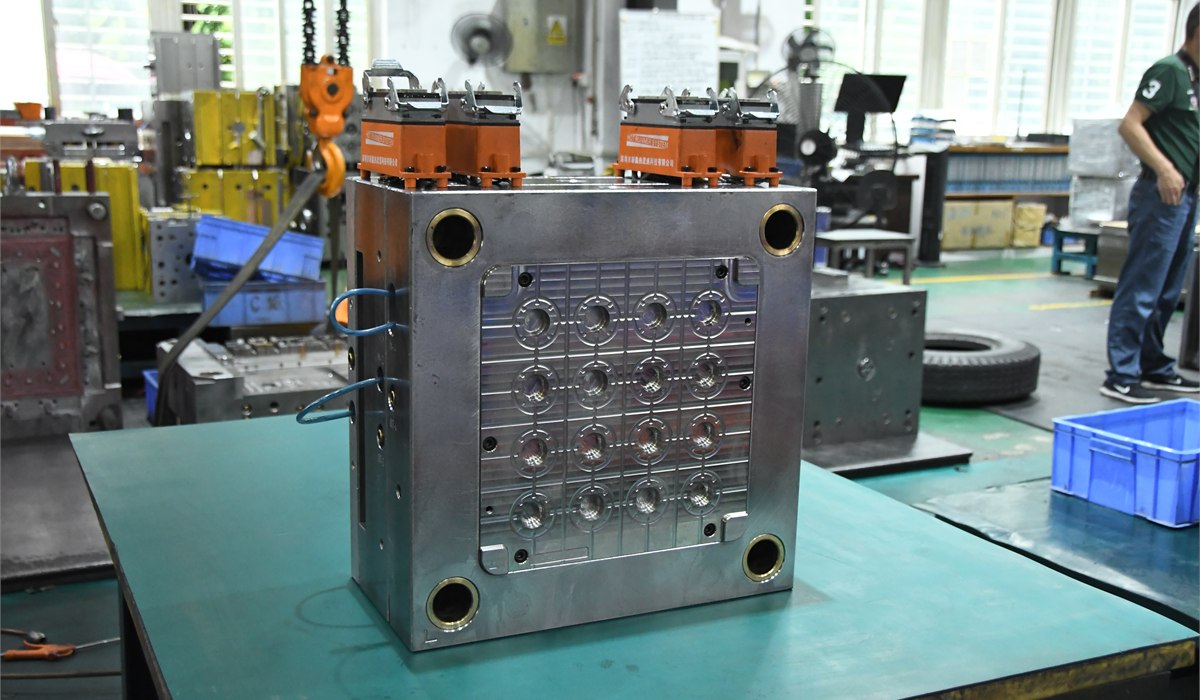
After DFM approval, the mold design should match the buyer's product, volume and quality target. Important design decisions include mold steel, cavity count, runner system, cooling layout, slider and lifter structure, ejection method and inserts for high-wear areas. These decisions influence cost, lead time, maintenance and part stability.
For long-term production, buyers should ask how the mold will be maintained, what spare parts are recommended and how the supplier will record changes after each trial. A cheaper mold can become expensive if it needs frequent repair or cannot hold stable dimensions during batch production.
Related guide: choosing mold steel for long-term production.
4. Define the T1 trial and correction process in advance
T1 is the first real test of the mold. Buyers should expect samples, photos, molding parameters, basic dimension reports and a clear list of issues after the first trial. If changes are needed, the supplier should explain whether the issue comes from part design, mold structure, material behavior or molding process.
A good T1/T2 process reduces emotional decision-making. The buyer and supplier should agree how samples are measured, who approves appearance, how corrections are tracked and when pilot production can begin. This helps the project move from first samples to reliable production with fewer surprises.
Related guide: injection mold trial process: T1, T2 and production approval.
5. Request quality records, not only good-looking samples
Photos and samples are useful, but overseas buyers also need records. Before mass production, ask for first article inspection, key dimension reports, material information, visual standards, assembly checks, process parameters and outgoing inspection sheets. These documents make approval more objective and help future repeat orders stay consistent.
For precision plastic parts, confirm critical dimensions and measurement methods. For plastic housings, define cosmetic standards such as sink marks, flow marks, scratches, color difference, parting line visibility and gate marks. Clear quality standards reduce debate after shipment.
Related guide: injection molding quality inspection checklist.
6. Choose a supplier with project communication discipline
The best tooling process is also a communication process. Overseas buyers in the United States, Germany, France, the United Kingdom and the Middle East need regular updates, clear English explanations, version control and fast answers when risks appear. A supplier should be willing to discuss problems early instead of hiding them until delivery day.
Huanze supports overseas OEM buyers with plastic injection mold manufacturing, custom injection molding, quality management and practical project updates through email and WhatsApp. Buyers can send drawings, 3D files and target quantities for an engineering review before opening a mold.
Send Drawings for Evaluation