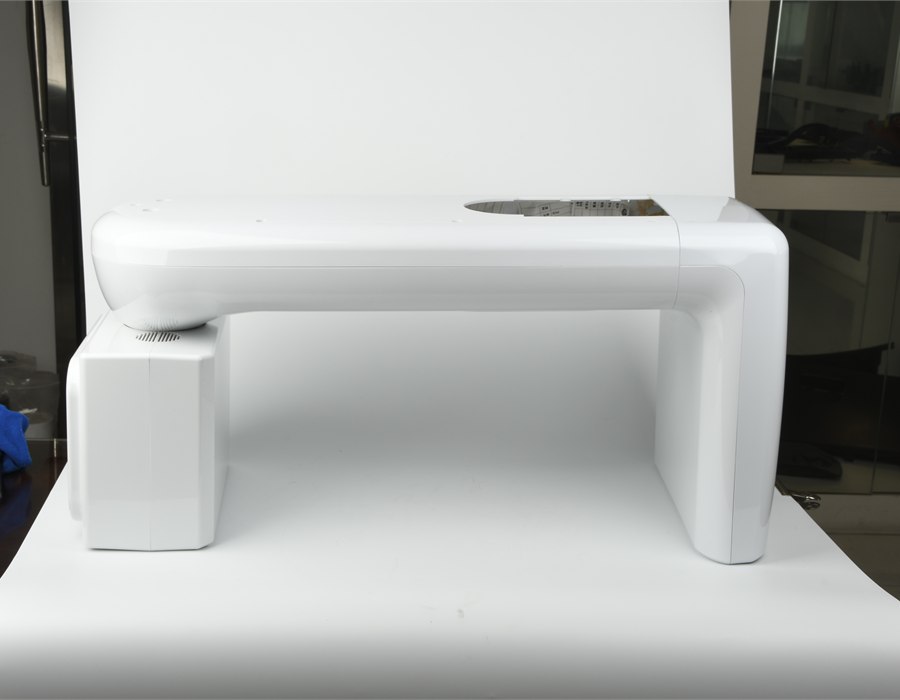
1. Match the supplier to medical housing requirements
A medical device housing is not only a plastic cover. It may need clean cosmetic surfaces, controlled assembly gaps, stable screw bosses, snap-fit strength, label areas, cable exits and repeatable fit with internal electronics or metal parts.
When overseas buyers search for a medical device plastic housing injection molding supplier, the useful question is whether the factory understands similar enclosure structure, material, appearance standard and inspection discipline.
2. Visible surfaces must be planned before mold design
Medical equipment is often judged by surface cleanliness and professional appearance. Parting lines, gate marks, ejector marks and texture direction should be reviewed before steel cutting. If these marks appear on a main visible surface, the housing may fail approval even when it functions correctly.
Related guides: parting line design, ejector mark control and surface finish planning.
3. Material choice affects appearance, strength and stability
ABS, PC, PC/ABS and other engineering plastics can behave differently in shrinkage, heat resistance, impact strength, chemical resistance and surface finish. The mold allowance and process window should match the selected material instead of treating all housings the same.
If the part needs painting, printing, texture or disinfection compatibility, buyers should describe these requirements in the RFQ stage. This helps Huanze review both mold design and molding risk before quoting.
4. Mold tooling should support trial correction and production launch
For medical plastic housings, T1 trial is not the end of the project. It is the first point where the team checks shrinkage, flatness, assembly fit, cosmetic surfaces, gate balance and ejection behavior. Good mold planning leaves room for correction after T1 and T2.
Huanze reviews wall thickness, ribs, screw bosses, draft angle, cooling, gate position, venting and ejector layout together so that solving one problem does not create a new cosmetic or assembly issue.
5. Quality records make overseas projects easier to control
Medical equipment housing buyers usually need more than sample photos. First article inspection, critical dimension records, appearance review, assembly test, material batch tracking and outgoing inspection help confirm whether the process is stable enough for production.
Related page: Huanze quality management.
6. What to send for a medical housing quote
Send STEP or X_T files, 2D drawings, material grade, color, texture or painting requirements, annual volume, target batch size, assembly drawings, visible surface marks, tolerance notes and target schedule. If the project is early-stage, product photos and key dimensions can support an initial review.
For RFQ support, contact Annie at WhatsApp / WeChat / Phone +86 15801883001 or email annie@huanzekeji.com.
Send Medical Housing Drawings